
|
Why well-designed employee apparel can do more than billboards, radio, TV, newspapers and social media — because it is not booked, it is worn.
|
Many companies start Corporate Fashion in the wrong place. They look for polos, hoodies, shirts, jackets or vests. Then they add a logo, choose a color and believe they now have Corporate Fashion. That is exactly where the problem begins.
Genuine Corporate Fashion does not come from selecting ready-made clothing. It comes from the identity of a company. From the brand, the team, the field of use, the desired effect and the standard a company wants to show to the outside world.
A logo on existing clothing can work in the short term. But it is not genuine Corporate Fashion.
Anyone who wants to develop Corporate Fashion has to understand clothing. Not only as a product to sell, but as a craft, as a design process and as a technical product. Of course, you can learn your way into any industry. But there is a clear difference between learned expertise and years of catalogue knowledge.
Someone who has sold polos, softshell jackets and hoodies from catalogues for many years will know something about textiles. But that is not automatically the same as deep knowledge of cut, fit, material, yarn, fiber structure, production, finishing and design development.
Corporate Fashion needs more than product experience. It needs textile competence. A company should therefore check:
That sounds strict. It is. But this is exactly where genuine Corporate Fashion separates itself from nicely packaged catalogue clothing.
Real expertise often does not show itself in big presentations. It shows itself in small questions. Ask specific questions. For example:
These questions do not need to become unnecessarily complicated. But they quickly show whether someone really understands clothing or mainly sells products.
Many providers know grammages, colors and delivery times. That is important, but it is not enough. Anyone who only talks about GSM, quantities and logo placement usually thinks in catalogue clothing.
Anyone who can talk about material behavior, cut, construction, repeat, finishing and fit is much closer to genuine Corporate Fashion.
Catalogue clothing has its place.
When a company needs shirts quickly for an event, jackets for a campaign or hoodies for a short-term promotion, it can absolutely make sense. But that is not yet genuine Corporate Fashion. Catalogue clothing is always limited by what already exists:
You can combine, adapt and finish. But you are not developing clothing from the identity of a company. That is why many solutions end up looking similar. A different logo, another embroidery, maybe another color. But the clothing itself does not tell its own story.
Genuine Corporate Fashion does not first ask: “Which polo do you like?”
It asks: “How should your company be perceived?” That is the decisive difference.
A first draft or initial concept often says more than any sales presentation. Of course, nobody works for free. Good research, design work and development have value. Still, it is understandable that companies want to see whether a provider is actually able to translate their brand into clothing before making a bigger decision.
The important thing is: do not provide the finished solution too early. If you only say which polo, jacket or hoodie you like, you will usually get exactly that back: a slightly adapted version of what you already know.
It is better to explain the brand, the target group, the field of use and the desired effect. After that, the provider should be able to show independently how clothing can emerge from it. If the first draft looks almost exactly like what you already have, caution is needed. Then it was probably not newly developed, but only repackaged.
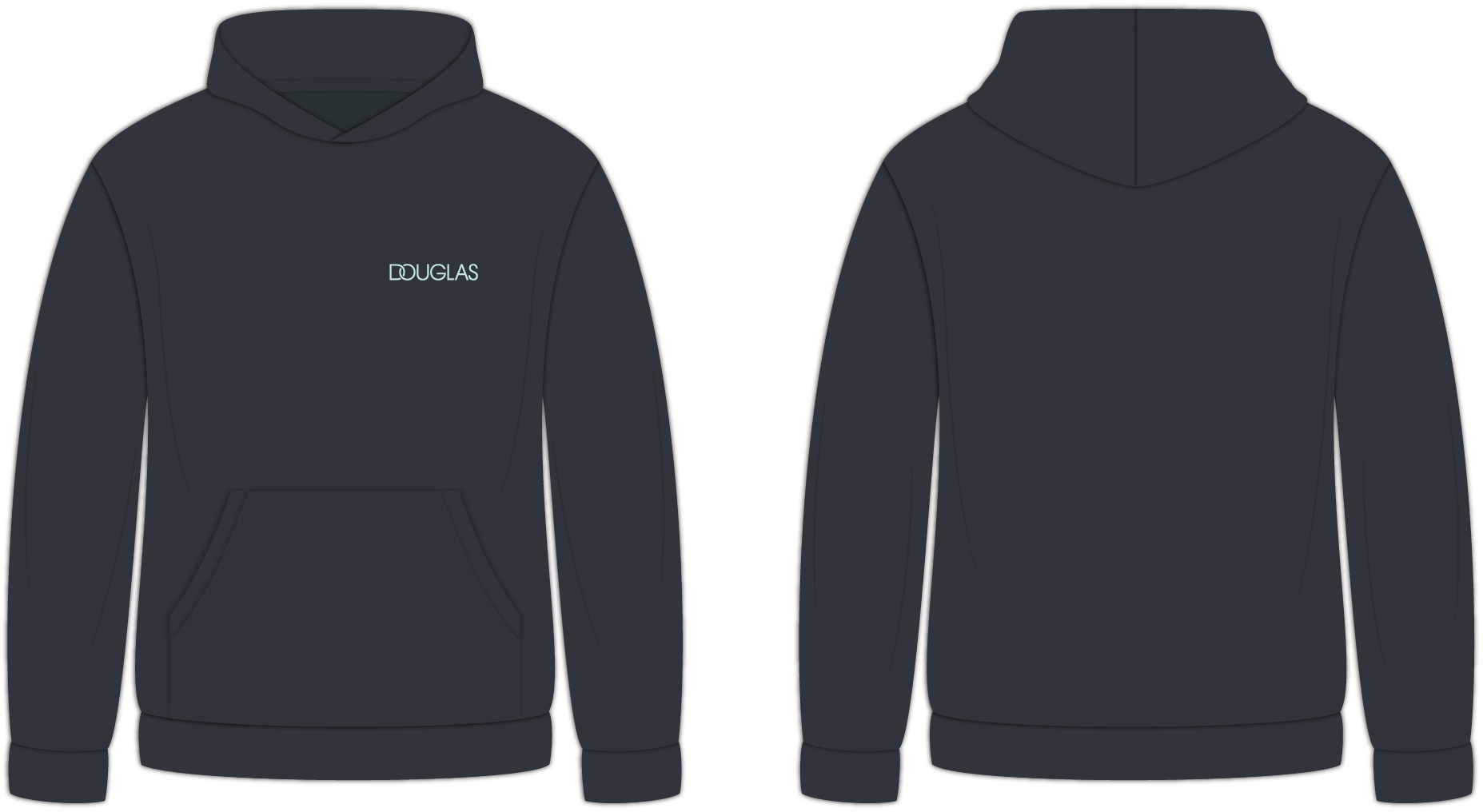
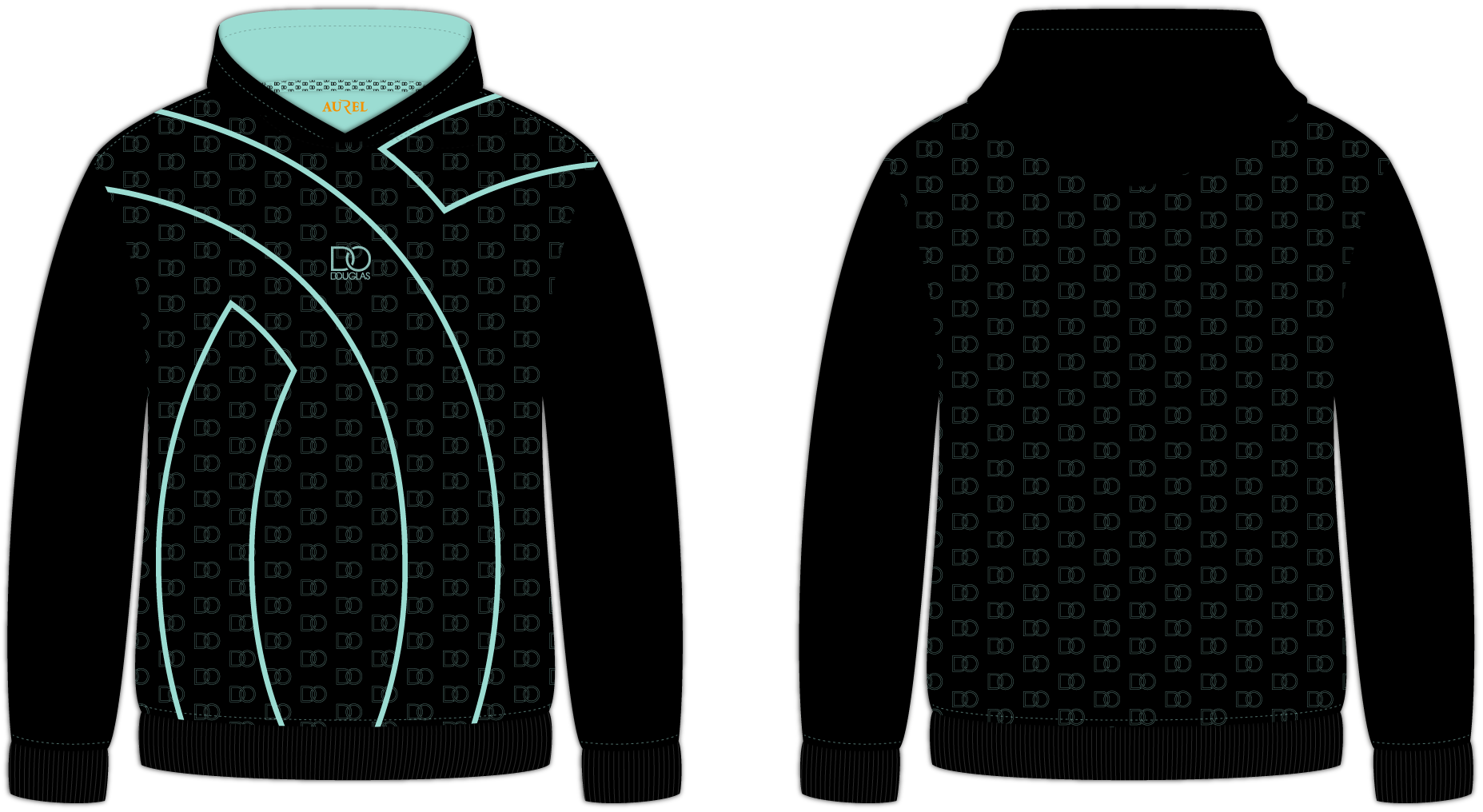
Only when these questions have been answered does clothing become interesting. Then the logo is no longer the only message. Material, fit, color, workmanship and design also speak.
And that is exactly where Corporate Fashion begins.
A clear sign of genuine Corporate Fashion is the process.
If the whole path consists only of selecting products from a catalogue and placing a logo, then it is not individual development. It is finished standard clothing with branding. Genuine Corporate Fashion needs a different process:
The more these steps are thought through together, the stronger the result becomes.
Because Corporate Fashion is not just clothing. It is a visible part of corporate identity. It works in customer meetings, at trade fairs, in daily business, at appointments, in photos, in videos and within the team itself.
A graphic designer can place a logo. A salesperson can recommend catalogue products. A textile service provider can source goods. All of that can make sense.
But genuine Corporate Fashion needs more. It needs someone who understands clothing as a whole: material, cut, proportion, function, workmanship, finishing and brand impact.
That is why professional knowledge from tailoring, fashion design or product development is a major advantage. Not as a title on paper, but as the basis for better decisions. Because clothing is more complex than many people think.
A fiber is not simply a fiber. A yarn is not simply a yarn. A cut does not work the same way on every body. A finishing technique does not look equally premium on every fabric.
Anyone who does not understand these connections often decides only by appearance, price and availability. And that is exactly when Corporate Fashion becomes generic.
You do not recognize genuine Corporate Fashion by big promises. You recognize it by the way a provider thinks and works. A good provider does not only ask for quantities and logos. They want to understand who you are, how you want to appear and what the clothing has to achieve in everyday use.
They do not only talk about products, but about impact. Not only about colors, but about brand image. Not only about finishing, but about material, cut and application. Pay particular attention to these points:
If a provider only shows you what already exists, you usually get exactly that: something existing with your logo.
If a provider shows you what can emerge from your brand, genuine Corporate Fashion begins.
Genuine Corporate Fashion Begins with the Right Question
The most important question is not: “What clothing do we need?”
The better question is: “How should our company become visible through clothing?”
Anyone who thinks this way automatically gets better results.
Corporate Fashion is not a quick purchasing decision. It is a strategic part of a company’s appearance. That is why it is worth looking closely at who develops the clothing, what expertise is behind it and whether the work is truly based on the brand.
A logo on existing clothing can help in the short term. Genuine Corporate Fashion builds long-term impact. And that is exactly where the difference begins.
When clothing is meant to be more than a logo on standard garments, the work starts earlier: with the identity of the company. That is where Corporate Fashion is created — clothing that does not feel interchangeable, but fits the brand, the team and the way the company appears.
Read more
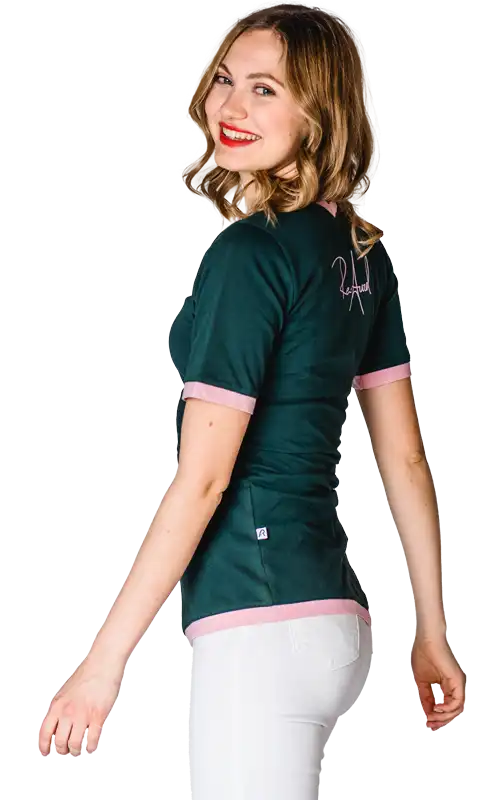
If your clothing feels interchangeable, the problem is usually not the textile alone. What is missing is a clear system of brand, cut, material, function and impact.
For companies that do not see clothing
as standard goods, but as part of their identity.